If you are looking for a rental property in Southern Nevada, North Las Vegas deserves a serious look. It offers a large renter base, relatively accessible entry prices compared with some nearby areas, and citywide rent-to-price metrics that still catch investors’ attention. The key is knowing where the numbers work, where the risks live, and how to evaluate each property with a neighborhood-first mindset. Let’s dive in.
Why North Las Vegas stands out
North Las Vegas is not a small side market. The city’s economic development information describes a population of nearly 300,000 residents, along with access to major transportation corridors and a strong logistics and manufacturing base. It also sits near Nellis and Creech Air Force Bases, which adds to the area’s steady housing demand.
For investors, the rental picture matters even more. The city’s 2024 housing analysis shows 32,257 renter-occupied units, a 4.8% rental vacancy rate, and a median contract rent of $1,508. It also notes that 56% of renters are cost-burdened, which points to continued demand for rental housing across the city.
Current market data supports that broader story. Realtor.com reports a median listing price of $429,999 and a median rent of $2,100 in North Las Vegas, while Zillow shows a typical home value of $404,089 and average rent of $1,819 as of late February 2026. Realtor.com also described the market as a buyer’s market in March 2026, which may create more room for negotiation when you are evaluating deals.
What the numbers suggest
If you are screening properties at a high level, North Las Vegas can look stronger than nearby benchmarks on a rent-to-price basis. Using the Realtor.com citywide figures, gross yield works out to about 5.9%. Using Zillow’s citywide figures, the gross yield lands closer to 5.4%.
That does not mean every deal will perform the same way after expenses. A rough underwriting lens suggests many stabilized single-family rentals in North Las Vegas may fall into the low-to-mid 4% cap-rate range after operating costs. In general, newer homes or homes with heavier HOA costs may land lower, while older value-add homes may screen higher.
This is one reason North Las Vegas stays on many investors’ radar. It can offer a middle ground between higher-priced suburban submarkets and lower-priced areas that may come with more management intensity. You are often not chasing the absolute lowest purchase price here. You are trying to find the best mix of rent, condition, location, and risk.
How North Las Vegas compares nearby
Submarket comparisons help put the city in context. In Aliante, Realtor.com shows a median listing price of $425,000 and median rent of $2,120, which works out to roughly a 6.0% gross yield. That is competitive, though inventory is limited, and buyers may pay more for stability and amenities than for maximum raw yield.
Centennial Hills tells a different story. There, the median listing price is $529,998 with median rent of $2,150, or about a 4.9% gross yield. The rent bump does not fully offset the higher entry cost, so cash flow may feel tighter even if the area attracts steady demand.
Downtown Las Vegas can look appealing because of lower acquisition prices, with a median home sale price of $357,500 and median rent of $1,195. Still, that equates to roughly a 4.0% gross yield, which is below North Las Vegas on this measure. A lower price tag does not automatically mean a better rental return.
For a wider benchmark, Zillow’s Las Vegas citywide figures show a typical home value of $426,583 and average rent of $1,699, or about a 4.8% gross yield. That again places North Las Vegas in a favorable position on a basic rent-to-price basis. In plain terms, you may get more rental income per dollar of purchase price here than in several nearby alternatives.
Property types you will see most
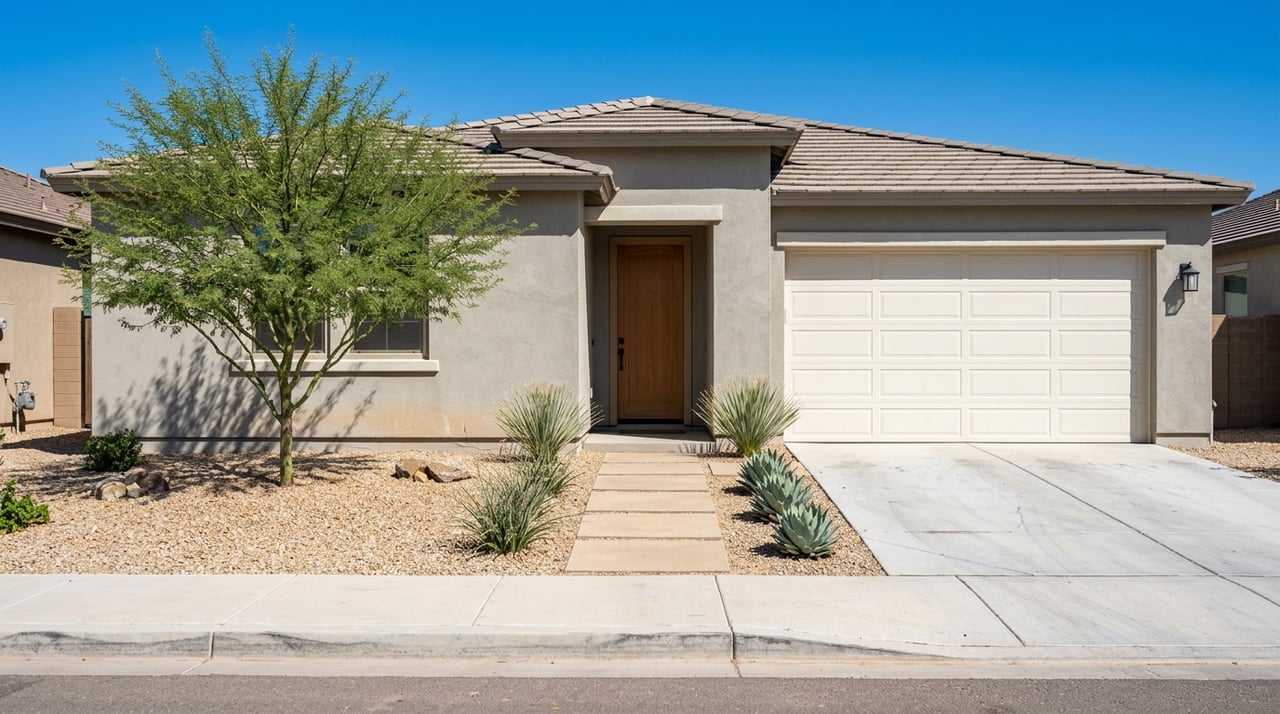
North Las Vegas is primarily a detached-home market. Clark County assessor data shows 98,245 housing units in the city, including 73,474 single-family detached homes. Attached single- and multi-family units account for 23,320 homes, while manufactured housing makes up 1,451 units.
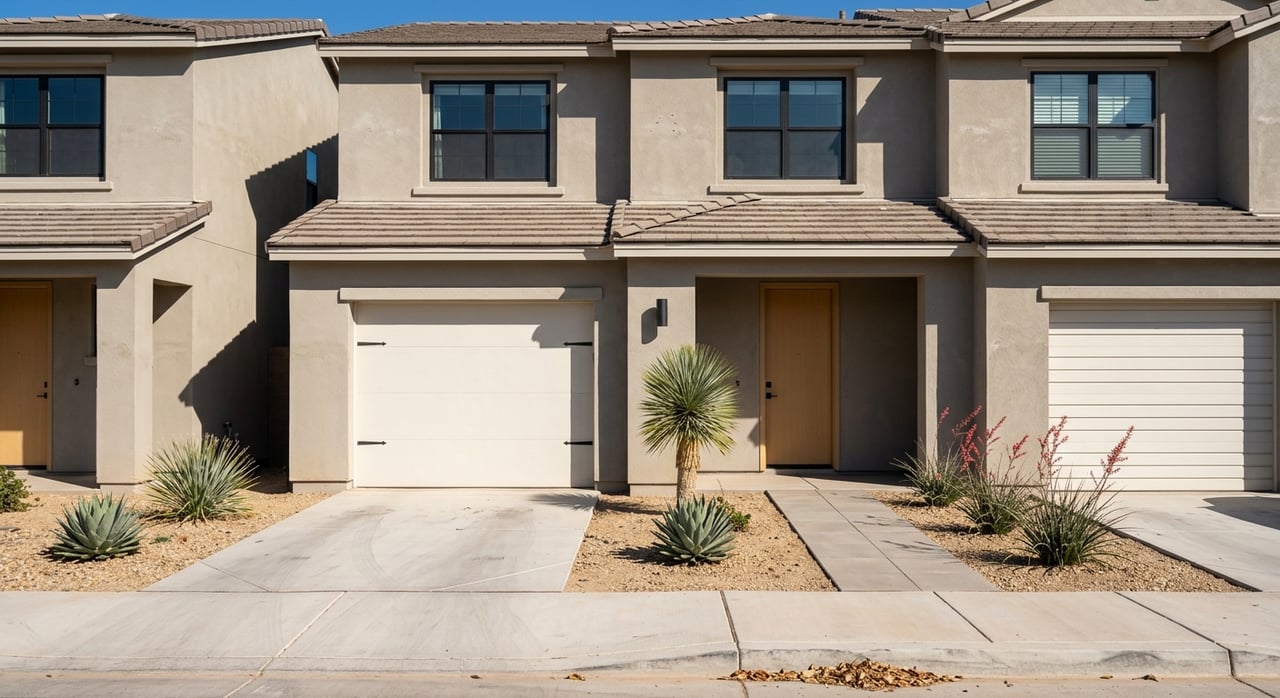
That mix matters when you build your strategy. Many buy-and-hold opportunities are likely to be 3- to 5-bedroom detached homes, especially in newer northern and northwest sections of the city. Attached homes and townhome-style options exist, but they are a smaller part of the overall housing stock.
This also fits the type of rental demand many local investors target. If you want a property with broad appeal, detached homes with multiple bedrooms often give you the largest pool of potential renters. They can also make your resale options more flexible later if you decide to exit.
Why block-level analysis matters
A citywide average is useful, but it should never be your final decision tool. North Las Vegas has meaningful rent variation within city limits. Realtor.com neighborhood pages show rents around $2,182 in the Central District, about $2,100 in Deer Springs District, and roughly $2,235 in El Dorado.
That spread tells you something important. Two homes with similar square footage can underwrite very differently depending on the neighborhood, the age of the property, and the surrounding inventory. This is why you want to study zip code comps, nearby lease activity, and street-by-street condition before you make an offer.
Aliante is a good example of how even one area can hold multiple strategies. Recent sales and rental data there show detached homes from 2 to 5 bedrooms, with rents roughly ranging from $1,785 to $2,095. Bed count, layout, age, and condition can shift the deal math fast, even inside the same neighborhood.
Best-fit strategy for many investors
For many small investors, North Las Vegas makes the most sense as a long-term single-family rental play. The detached housing stock is deep, renter demand is durable, and entry prices can compare favorably with nearby submarkets. If you buy well and keep your underwriting realistic, the city can offer a practical balance of affordability and income potential.
That said, not every property should be judged the same way. A newer home in a planned community may offer easier maintenance and more predictable tenant appeal, but lower cash flow after HOA costs and a higher purchase price. An older home may offer stronger upside, but only if you budget carefully for repairs, turnover, and longer-term maintenance.
A smart approach is to match the property to your goals. If you want lower operational surprises, newer detached homes may fit better. If you are comfortable with rehab planning and tighter due diligence, some older homes may provide better value.
Risk areas to take seriously
North Las Vegas rewards careful underwriting, but it also punishes shortcuts. The city’s official housing analysis identifies the “Urban Core” in the southwest corner of North Las Vegas, near Las Vegas, as its primary area of concern. The city says this area includes some of the oldest neighborhoods, with about half of the housing built from 1950 to 1979, around 13% vacancy, and a need for rehabilitation or replacement in many cases.
For an investor, that can mean lower acquisition pricing but more work after closing. Older properties may require stricter inspections, larger rehab reserves, and more caution around deferred maintenance. Management intensity can also rise when property condition and neighborhood conditions vary block by block.
North Las Vegas also has a clear reminder that localized physical risk matters. The state’s Windsor Park press release explains that homes in that neighborhood were built over geological faults and were affected by groundwater extraction, causing homes and infrastructure to sink. That is not a citywide issue, but it shows why you should review foundation history, drainage, and any known site-specific geotechnical concerns in older or infill areas.
Even newer neighborhoods need hazard review. In Aliante, Redfin’s First Street climate layer rates the area as minor flood risk, moderate wildfire risk, and severe heat risk. Those conditions can affect insurance costs, landscaping choices, and long-run maintenance planning.
A practical due diligence checklist
Before you buy an investment property in North Las Vegas, focus on the basics that shape real returns:
- Compare asking price to recent lease comps, not just sales comps
- Review neighborhood-level rent trends instead of relying on one citywide average
- Estimate operating costs carefully, including HOA dues if applicable
- Inspect roof, HVAC, plumbing, and foundation condition closely
- Look for drainage issues or signs of settlement in older areas
- Check vacancy patterns and nearby property condition on the same block
- Budget for heat-related wear, landscaping upkeep, and insurance shifts
- Stress-test your numbers for repairs, turnover, and rent softness
A clean-looking home is not always a good investment. The best opportunities usually come from buying the right property on the right block at the right basis. In North Las Vegas, that local detail can make or break your return.
What this means for your next move
North Las Vegas can be a strong market for investors who want a value-oriented rental property in the Las Vegas area. It combines a large renter base, a detached-home-heavy housing stock, and citywide price-to-rent ratios that compare well with several nearby markets. But the real edge comes from choosing the right neighborhood and underwriting each home with discipline.
If you are planning to buy your first rental or add another property to your portfolio, local guidance matters. Goungo Realty takes a practical, neighborhood-level approach to helping buyers, landlords, and relocating clients navigate the Las Vegas market. When you are ready to explore opportunities in North Las Vegas, connect with Goungo Realty for straightforward advice and hands-on local support.
FAQs
What makes North Las Vegas attractive for investment property?
- North Las Vegas offers a large renter base, a 4.8% rental vacancy rate, a detached-home-heavy housing stock, and citywide rent-to-price metrics that compare favorably with nearby submarkets.
What cap rate should you expect in North Las Vegas rentals?
- As a rough estimate, stabilized single-family rentals in North Las Vegas often screen in the low-to-mid 4% cap-rate range after operating costs, though actual performance depends on price, condition, age, and expenses.
What property types are most common in North Las Vegas?
- Clark County data shows the city is primarily made up of single-family detached homes, with attached units and manufactured homes making up a much smaller share of the housing stock.
What North Las Vegas neighborhoods need extra due diligence?
- The city’s housing analysis flags the Urban Core in the southwest part of North Las Vegas as an area where many older homes may need rehabilitation, and investors should also watch for localized foundation, drainage, and hazard issues in older or infill areas.
Is Aliante or Centennial Hills better for rental investment?
- Aliante appears stronger on a gross-yield basis using current median price and rent figures, while Centennial Hills generally has a higher purchase price with only a modest rent premium, so the better fit depends on your budget and goals.
Should you use citywide averages to buy in North Las Vegas?
- No. Citywide numbers are a useful starting point, but neighborhood-level and block-level rent, condition, and risk factors are more important when you evaluate an individual investment property.