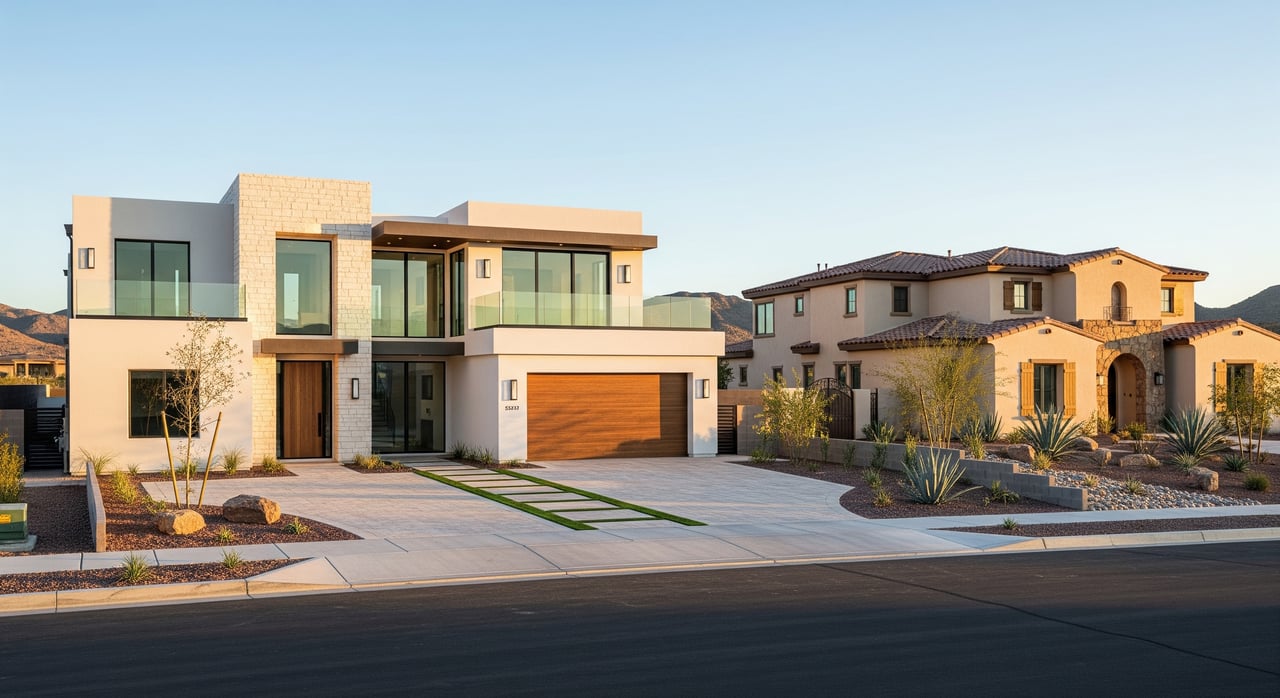
Should you choose the shine of a brand-new build or the comfort of an established resale in Centennial Hills? It is a common crossroads for Las Vegas buyers, and the right answer depends on your budget, timeline, and tolerance for decisions during the build process. You want clarity on real costs, incentives, HOA rules, timelines, and what protections you actually get after closing. This guide lays it out plainly so you can compare options with confidence. Let’s dive in.
Centennial Hills at a glance
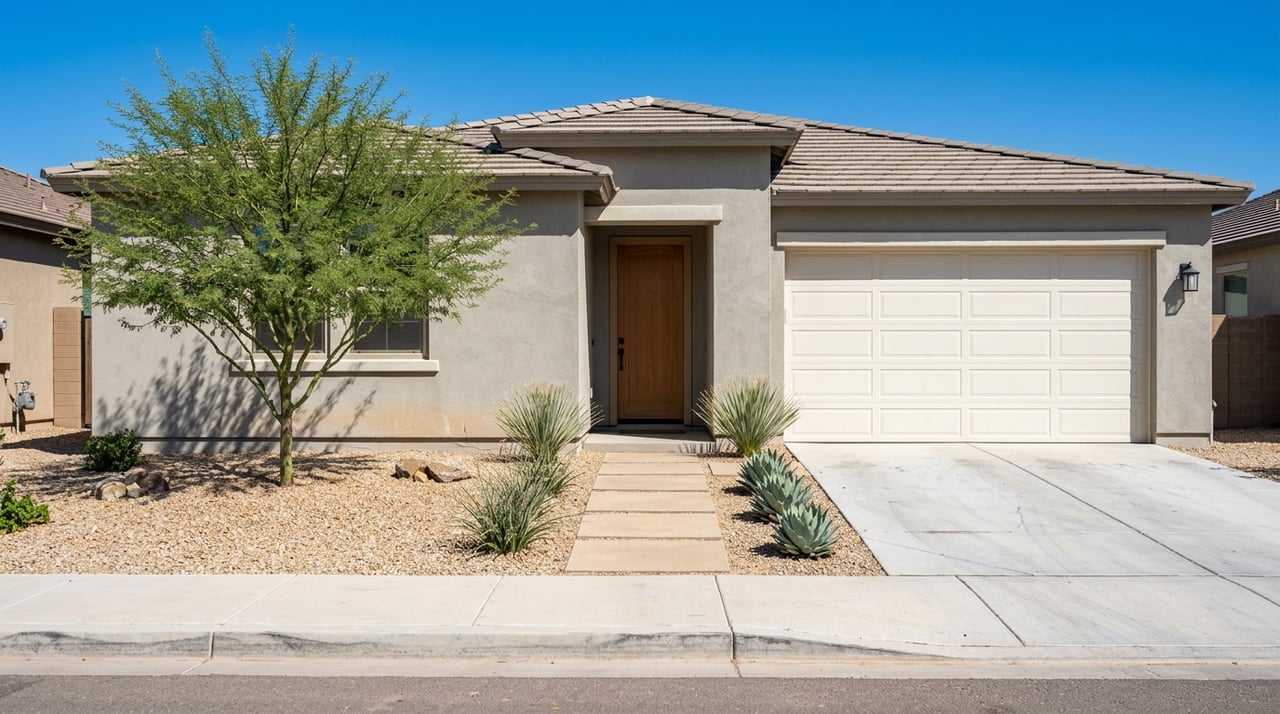
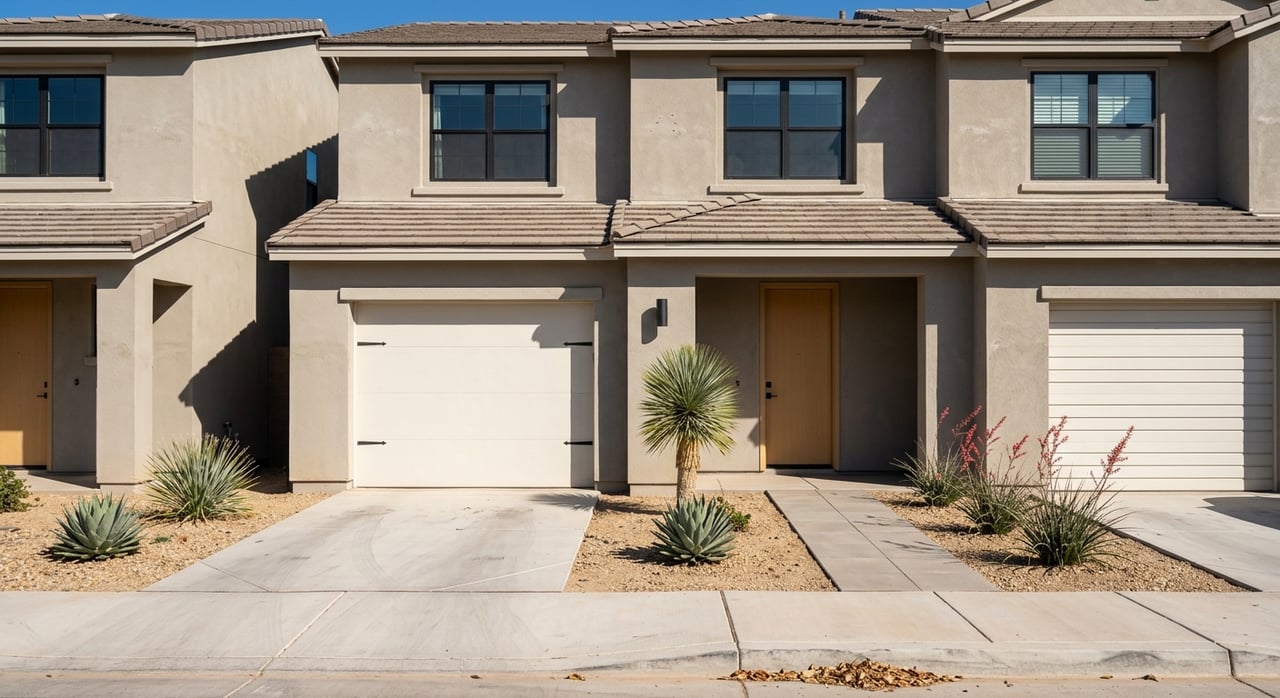
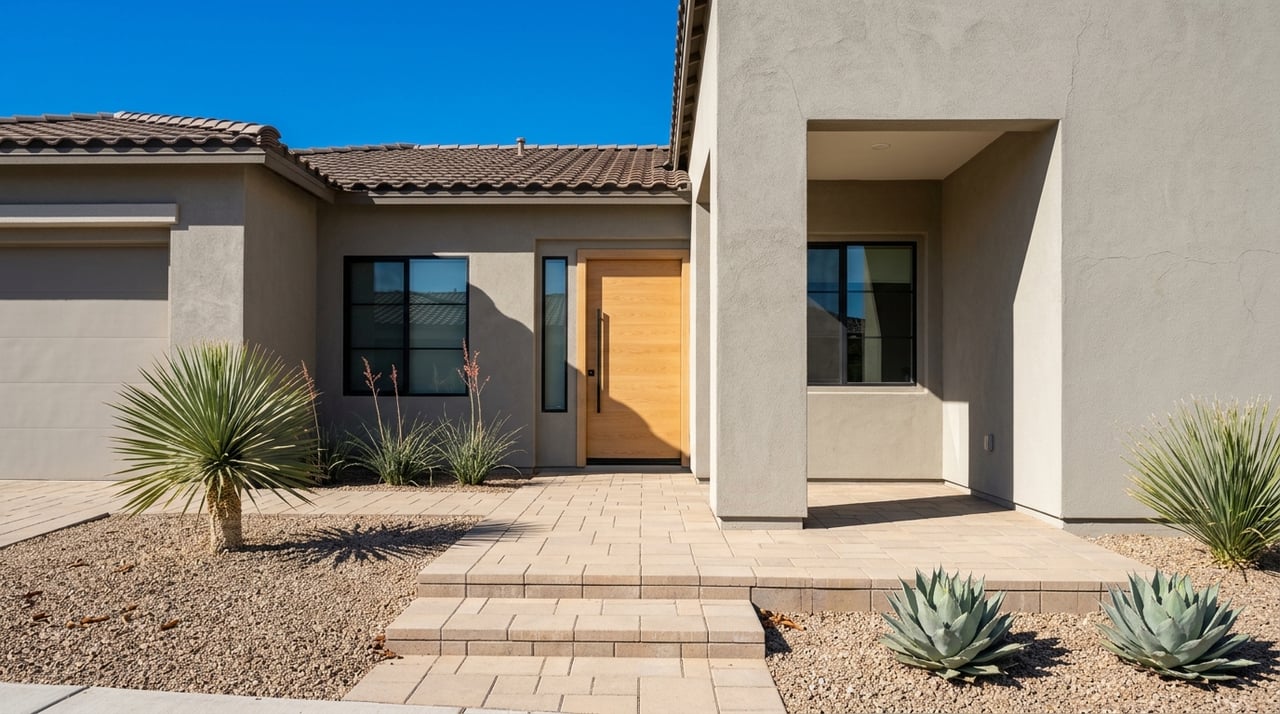
Centennial Hills in northwest Las Vegas blends newer master-planned communities with established neighborhoods. You will find both active builder developments and resales with mature landscaping and finished streetscapes. That mix creates real choice for buyers.
Local market conditions change quickly as builders release phases and resale inventory shifts. Incentives, pricing, and days on market can move month to month. Use the latest Las Vegas market data to confirm pricing trends before you write an offer. A local agent can pull current MLS stats for your exact area and home type.
New construction: what you pay for
New-home prices include land, builder overhead, lot premiums, structural options, design selections, and the builder’s margin. You also pay for modern layouts, energy efficiency, and often community amenities.
Common builder incentives in Centennial Hills include:
- Closing-cost credits or lender credits
- Interest-rate buydowns (temporary or permanent)
- Free or discounted design-center upgrades
- Price reductions on spec or model homes
- Contribution to first-year HOA dues
- Buyer-agent commission offers that should be confirmed in writing
In a rising market, base pricing can be at parity or a bit higher than nearby resales on a per-square-foot basis. When builders have more inventory or demand cools, incentives can bring the net cost down, sometimes below resale alternatives.
Model-home premiums
Model or decorated homes can carry a premium for upgrades and finishes. Ask for an itemized list showing every included upgrade and the base price. If a model has been used for some time, you may be able to negotiate price, closing costs, or inclusion of furniture and window coverings.
Resale homes: value drivers
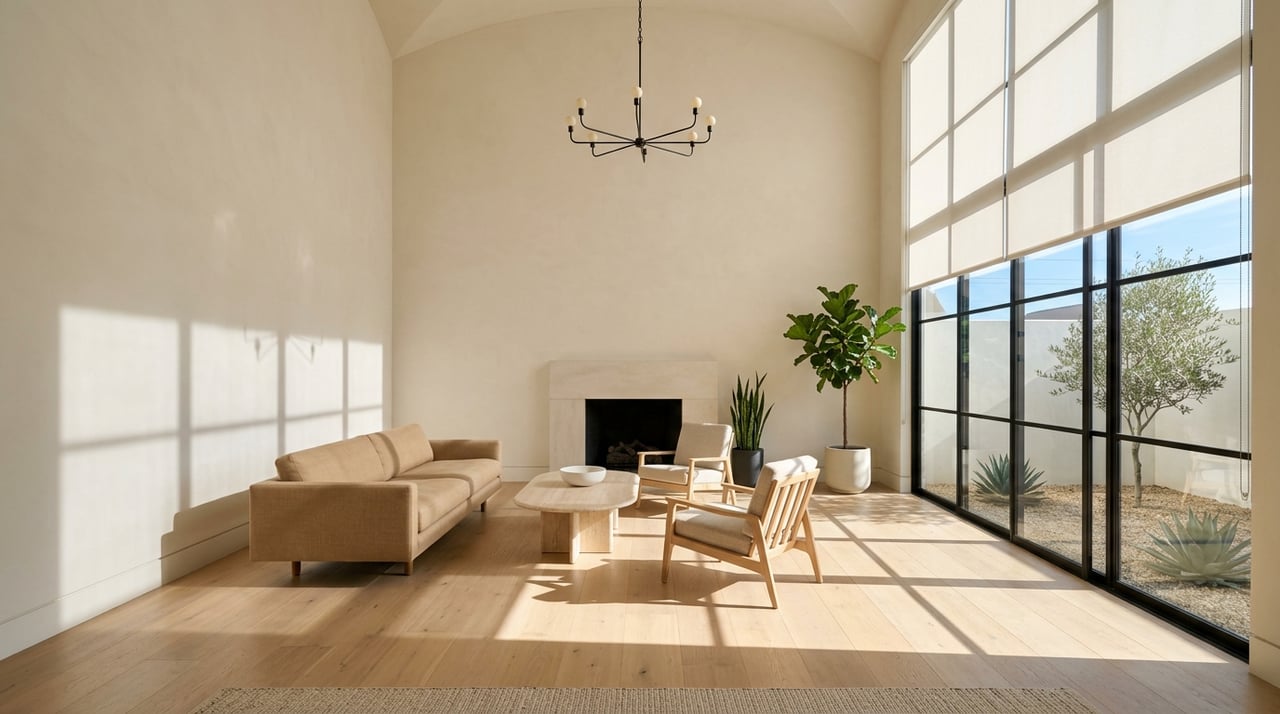
Resale pricing hinges on location, lot size, age, condition, and recent comparable sales. You might find larger lots, established landscaping, and immediate move-in without waiting for construction. A strong resale can pencil out better if big-ticket items like the roof or HVAC are newer.
Inspection contingencies and repair credits create room to address issues discovered during due diligence. You also get a clear picture of the neighborhood today, including HOA practices and how the community feels at different times of day.
Timelines and process
- Resale homes: Typical closings run 30 to 45 days with financing, faster with cash. Shorter timelines are possible if both sides cooperate.
- New construction spec homes: If the home is finished, closings can mirror resale timelines, often 30 to 60 days depending on builder policy.
- Build-to-order homes: Expect roughly 4 to 9 months from contract to completion, depending on permits, weather, and trade schedules. Custom builds can take longer.
What to expect when building
- Contract signing and earnest money
- Design selections and upgrade deadlines
- Permitting, site work, framing, rough-in, inspections, drywall, finishes
- Final inspections and certificate of occupancy
- Final walk-through, punch list, and closing
Even with builder walkthroughs, order an independent inspection before closing. Many buyers also schedule a pre-drywall inspection to catch items early.
Financing differences at a glance
- Resale homes: Conventional, FHA, VA, and other standard mortgages are common.
- New-construction spec homes: Standard mortgages at closing.
- Build-to-order homes: Construction-to-permanent loans or separate construction financing may be required. You pay interest on draws during the build.
Builders often offer incentives with a preferred lender, such as rate buydowns or closing-cost credits. Compare offers from several lenders. A lower rate for a few years might not beat a slightly higher long-term rate with fewer fees.
Warranties, quality, and your recourse in Nevada
New homes typically include a written limited warranty. Many builders follow a common format: about 1 year for workmanship, about 2 years for systems like electrical, plumbing, and HVAC, and longer structural coverage, often around 10 years. Terms vary by builder. Get the warranty in writing and understand how to file claims.
- Document everything during your final walk-through and create a written punch list with timelines.
- Hire an independent inspector even on new homes. Fresh builds can have items to address.
- Know the difference between warranties and insurance. Warranties cover workmanship and systems per the contract. Homeowner’s insurance covers things like fire, theft, and liability after closing.
Before you sign, verify the builder’s license and review complaint history with the Nevada State Contractors Board. Keep all contracts, change orders, and communications. For significant defects, consult a Nevada attorney who handles construction issues.
HOAs and CC&Rs: what to review
Many Centennial Hills communities have HOAs or master associations. Governance affects exterior changes, landscaping, parking rules, rental policies, and amenity access.
Review these documents during escrow:
- CC&Rs and bylaws for rules on exterior changes, pets, and rental restrictions
- Current HOA dues, operating budget, and reserve study to gauge long-term maintenance planning
- Any pending or recent special assessments
- Whether a new community is still under developer control and how that could affect dues and decisions
Nevada common-interest communities follow NRS Chapter 116. If you have legal questions, consult a Nevada real estate attorney for interpretation.
A simple checklist to compare homes
Use this side-by-side checklist for every property you like, new or resale:
- Price, included features, and itemized upgrades
- Net cost after incentives, credits, or buy-downs
- Completion or possession timeline and any contingency language
- Written warranty documents and claim procedures
- HOA dues, budget, reserve study, and CC&Rs
- Inspection rights and planned inspection windows (pre-drywall and pre-close for new builds)
- Builder license verification and complaint history
- Comparable sold data for nearby resales to validate value
Model-home cautions:
- Confirm which finishes are standard and which are upgrades
- Ask how long the model was in use and whether systems were operated under normal conditions
- If charged a model premium, request credits or inclusion of certain items
Negotiation levers:
- Decide whether price reduction, closing-cost credit, or a rate buydown serves you best
- Request specific items: appliances, blinds, landscaping, fencing, or a warranty extension
- For resales, weigh a repair credit versus seller-performed repairs
Why independent representation matters with builders
Builder sales representatives work for the builder. Their job is to market the community and execute the builder’s contract. You deserve an advocate focused solely on your interests.
A dedicated buyer’s agent can:
- Explain contract language and track critical deadlines
- Compare incentives from the builder’s lender against outside lenders
- Coordinate third-party inspections and walk-through punch lists
- Review HOA disclosures and warranty terms in plain language
- Confirm, in writing, whether the builder offers a buyer-agent commission
If you plan to bring your agent to a model home, do it on your first visit and register together so your representation is recognized.
The bottom line for Centennial Hills buyers
A new build can make sense if you want modern design, warranties, and the chance to personalize finishes, especially when incentives are strong. A resale can win on lot size, location, mature landscaping, and a shorter move timeline. The best choice balances budget, timing, and which trade-offs matter most to you.
If you want a clear side-by-side view of your options, connect with a local advisor who lives these contracts every week. When you are ready, reach out to Goungo Realty for neighborhood-specific guidance and to claim a $1,500 buyer closing-cost credit.
FAQs
Centennial Hills pricing: Are new homes always more expensive than resales?
- Not always. New builds can carry a premium, but incentives or excess inventory can make the net cost similar to or lower than comparable resales. Compare current MLS data and total net costs.
New-home protections: Do builder warranties guarantee no problems?
- Warranties outline coverage and timelines for workmanship, systems, and structural items, but they are not guarantees of perfection. Independent inspections and prompt documentation are key.
Builder lenders: Should I use the preferred lender to get incentives?
- Often worth considering, but compare at least two outside lenders. A buydown or credit can be offset by fees or long-term rate differences. Choose the best total cost of financing.
Model home tours: Can I bring my own agent to the builder’s sales office?
- Yes. Register your agent on your first visit. Builder reps represent the builder, so independent representation protects your interests on contract terms, inspections, and incentives.
HOA governance: Will a new community’s developer control affect me?
- Early on, developers often control the HOA. Review the budget, reserves, and transition timeline. Low dues today can mean higher dues or special assessments later when control shifts.