If you are eyeing Enterprise for your next rental property, you are probably asking a simple question: Will the numbers and the lease-up both work? That is the right place to start. Enterprise can look attractive on paper because rents are relatively strong, but small investors still need to buy carefully, price realistically, and stay compliant. This playbook will help you understand the Enterprise rental market, set practical underwriting expectations, and focus on the property types most likely to fit today’s demand. Let’s dive in.
Why Enterprise Stands Out
Enterprise is an unincorporated town in southwest Clark County with a large suburban footprint. The latest local profile shows about 250,461 residents across 66 square miles, with 96,620 housing units and 94% occupancy.
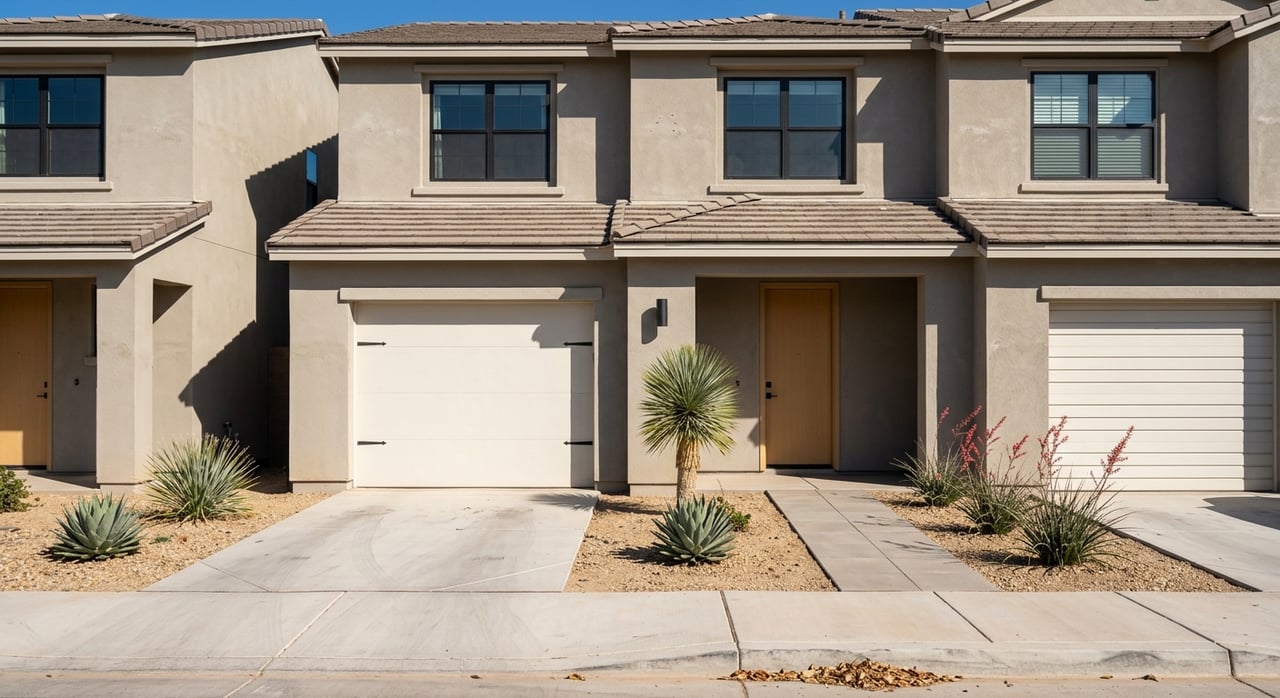
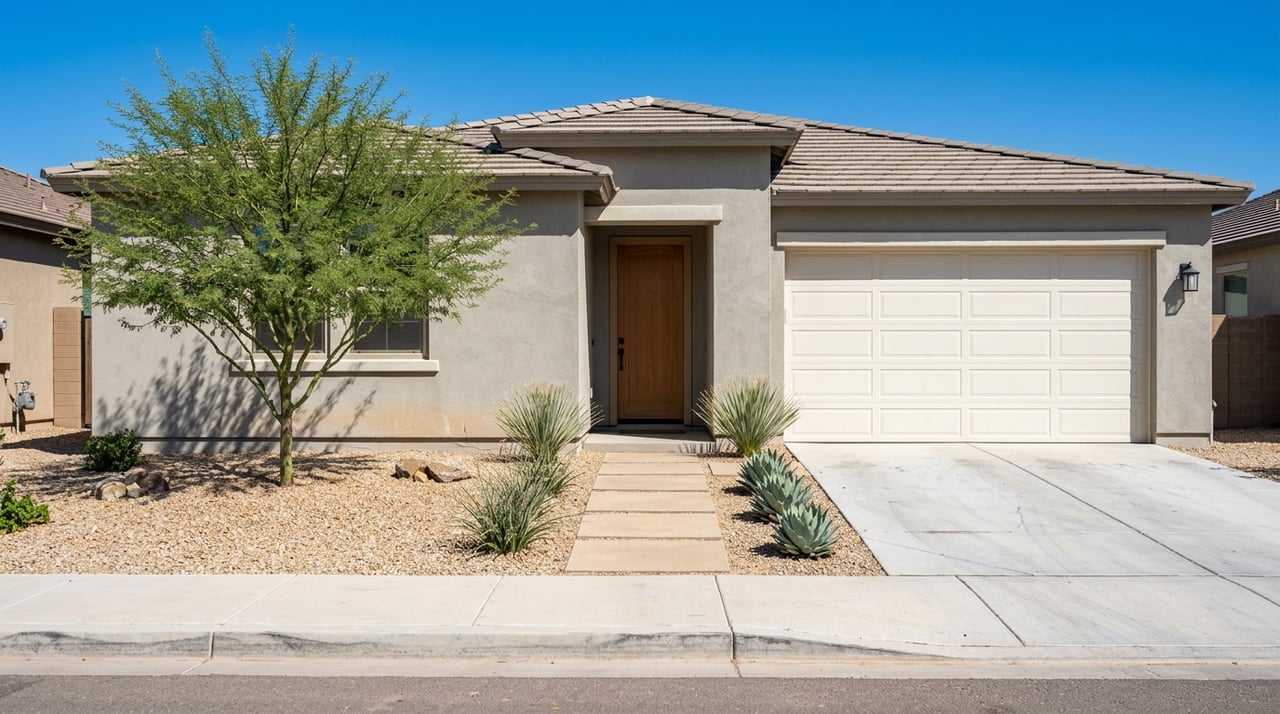
That matters because the area is not built like an apartment-heavy urban core. About 77% of the housing stock is made up of single-unit structures, and about 64% of occupied homes are owner-occupied. In practical terms, that points to a rental market where single-family homes and townhome-style options deserve close attention.
For a small investor, this can be a useful setup. You are looking at a market with a meaningful renter base, but one that still leans suburban in its housing mix. That often creates demand for homes with more bedrooms, functional layouts, and move-in-ready condition.
Enterprise Rent Levels in 2026
One of the first challenges in Enterprise is that online rent data does not point to one perfect number. Different platforms show different medians, so it is safer to think in rent bands instead of a single rent estimate.
Here is what current snapshots show for July 2026:
- RentCafe reports an overall average rent of $1,824
- Zumper reports a median overall rent of $2,300
- Apartment List reports an overall median rent of $1,652
- Census QuickFacts lists Enterprise median gross rent at $1,934
The spread is wide enough that you should avoid underwriting from just one website. A better approach is to compare live listings for similar homes, then use these market snapshots as guardrails.
Bedroom Counts Matter More Here
Enterprise appears especially tied to larger-home rental demand. Zumper reports that 3-bedroom and 4+ bedroom rentals account for more than 90% of its listed inventory, with houses averaging about $2,338.
Current asking-rent snapshots also show a clear pattern for larger units:
- 1-bedroom: roughly $1,255 to $1,606
- 2-bedroom: roughly $1,728 to $1,919
- 3-bedroom: roughly $2,138 to $2,485
- 4+ bedroom: about $2,695 on Zumper
If you are targeting a small investment property in Enterprise, this makes a strong case for focusing on clean 3- and 4-bedroom homes or townhomes where the layout, parking, storage, and overall presentation support the asking rent.
What the Numbers Suggest for Investors
Enterprise is more expensive than Clark County overall. QuickFacts shows a median owner-occupied home value of $475,500 in Enterprise compared with $431,000 countywide, while median gross rent is $1,934 compared with $1,626 countywide.
Higher local incomes help explain that. Enterprise median household income is listed at $111,128, which supports stronger rent levels than many other parts of the county.
For quick screening, you can use rough gross-rent-to-value math. Using the Enterprise median gross rent of $1,934 and the median owner value of $475,500 produces a rough gross yield around 4.9%. Using Zumper’s $2,300 median and a typical home value of $476,477 produces about 5.8%.
These are not cap rates, and they do not account for taxes, insurance, repairs, vacancy, management, or leasing costs. Still, they are useful for a first pass. For small investors, the takeaway is simple: Enterprise can work, but conservative underwriting is essential.
Underwrite Enterprise Conservatively
Because rent direction is mixed, you should resist optimistic assumptions. Zumper shows rents down 4.0% year over year, RentCafe shows a 1.7% decline, and Apartment List shows a 0.7% increase.
When data points move in different directions, your safest move is to underwrite to the middle of the market, not the top. That means using realistic rent comps, a vacancy allowance, repair reserves, and a plan for minor leasing delays.
A simple conservative checklist can help:
- Use a rent range, not one best-case number
- Compare only with similar bedroom count, condition, and property type
- Budget for turnover prep and leasing time
- Avoid assuming every home will achieve the highest online asking rents
- Check whether your target rent still works if you need to price slightly below the newest competing listing
This matters even more if you are buying with tighter margins. A property that only works at peak asking rent is usually too fragile.
Vacancy and Turnover in Enterprise
The local housing profile shows 94% occupancy, which suggests a fairly full market overall. It also shows that 12.5% of residents moved since the previous year, so turnover exists, but it does not appear extreme.
At the broader unincorporated Clark County level, the Nevada Housing Division summary reports renter-occupied vacancy at 8.86%. That county figure is not Enterprise-specific, but it is still a useful reminder that even in a strong submarket, you should plan for vacancy and leasing friction.
For small landlords, the lesson is not to panic about vacancy. The lesson is to launch well from day one. A clean property, accurate pricing, strong photos, and quick response to inquiries can make the difference between a smooth lease-up and a stale listing.
Best Property Types for Enterprise
Based on the local housing mix and current rent patterns, Enterprise appears to reward practical suburban rentals more than edge-case products. Detached homes are a natural fit because single-unit structures dominate the area.
Clark County’s consolidated plan also notes that single-detached homes are the largest housing type across the county, making up 56% of stock. It also notes that renter households are split heavily across 2-bedroom and 3+ bedroom units, with 38% in each category.
Strong Candidates for Small Investors
The most likely fits in Enterprise include:
- 3-bedroom single-family homes
- 4-bedroom single-family homes
- Townhomes with multiple bedrooms and practical layouts
- Well-maintained suburban homes with modern finishes or clean updates
Features that may help support rent include:
- Functional floor plans
- Good natural light
- Usable outdoor space
- Garage parking or adequate off-street parking
- Fresh paint, flooring, and clean appliances
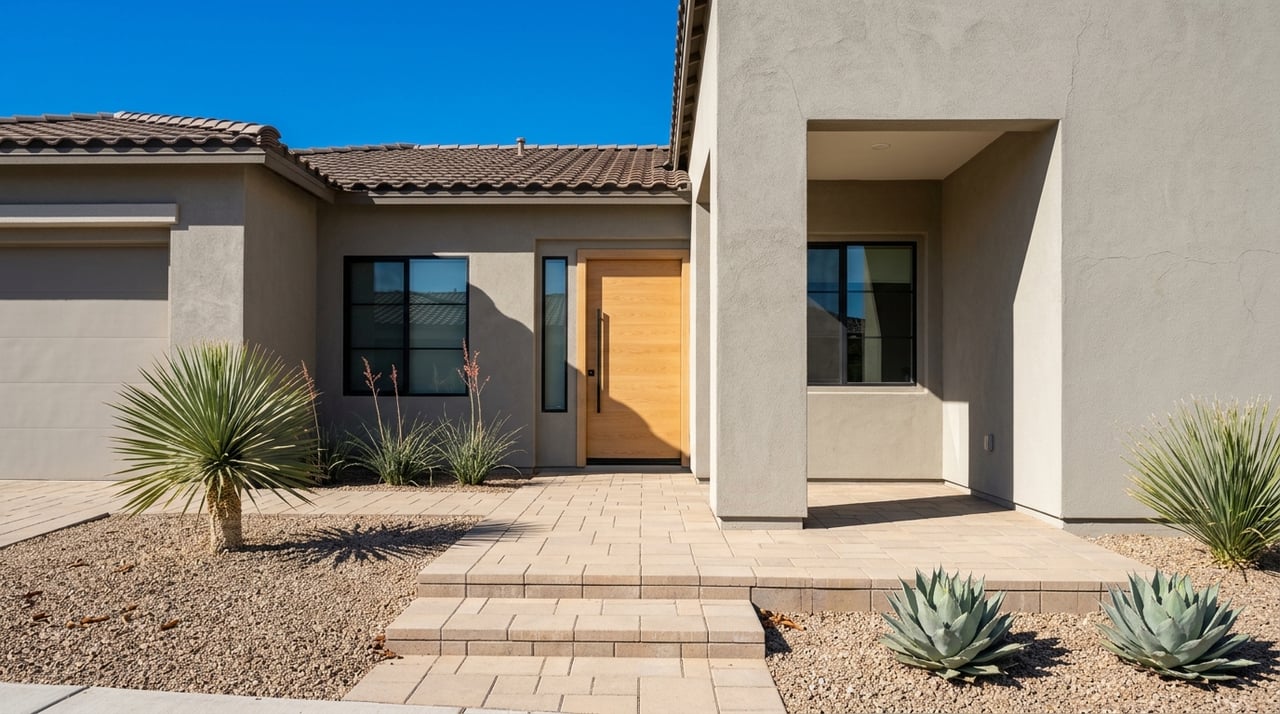
- Low-maintenance landscaping
This is a market where tenants may compare your home against newer or well-presented competition. Condition and presentation matter.
Pricing Strategy for Lease-Up
In Enterprise, pricing too high can cost more than pricing slightly under the market. If your listing sits, you lose time, visibility, and momentum.
That is why the safest pricing strategy is to study current live competition first, then position your home where it looks compelling from the start. In a mixed rent environment, a property that is priced right and shows well often beats a property that is listed high and reduced later.
Use These Lease-Up Principles
- Launch with clean photos and a polished listing presentation
- Price near live-market comps, not outdated peak rents
- Be realistic about differences in age, updates, lot size, and layout
- Respond quickly to inquiries and showing requests
- Keep the home rent-ready before marketing begins
For many small investors, speed is part of profitability. Every extra week without a tenant affects your real return.
Enterprise and Affordability Benchmarks
Clark County’s consolidated plan lists fair market rents of $1,046 for studios, $1,212 for 1-bedroom units, $1,457 for 2-bedroom units, $2,071 for 3-bedroom units, and $2,464 for 4-bedroom units.
Enterprise market snapshots are generally at or above those levels for larger homes. Even if you are not planning around voucher leasing, these figures can still serve as a conservative affordability benchmark when you are checking your assumptions.
That can be especially helpful if you are comparing multiple properties. If one potential purchase only makes sense at a rent level well above local benchmark ranges and current competition, it may deserve extra caution.
Nevada Rules Small Landlords Should Know
If you plan to self-manage or simply want to understand your responsibilities, Nevada’s rental rules are important. In Enterprise, it is also smart to check Clark County rules before assuming a city-specific rule applies, since Enterprise is unincorporated and county-administered.
Here are a few key points from Nevada sources in the research:
Security Deposit Rules
Nevada caps private-housing security deposits at three months’ rent. Landlords must return the deposit or provide an itemized accounting within 30 days after lease termination.
It is also wise to document move-in and move-out condition carefully. Photos and a walkthrough record can help support clear, consistent documentation.
Rent Increase Notice Rules
For periodic tenancies that run month to month or longer, Nevada requires 60 days’ written notice for a rent increase. For periodic tenancies under one month, the notice period is 30 days.
Notice Rules for Nonpayment and Violations
For nonpayment of rent, Nevada generally uses a 7-judicial-day pay-or-surrender notice. Many lease-condition violations use a 5-day notice process under state law.
These timelines are important because paperwork and process matter. If you are a small investor, clean records and consistent lease administration are part of protecting your property.
Fair Housing Compliance
Nevada fair housing law prohibits discrimination based on race, religious creed, color, national origin, disability, sexual orientation, gender identity or expression, ancestry, familial status, and sex.
In practice, that means your screening, advertising, communication, and leasing standards should be consistent and neutral. A strong rental process is not just about speed. It is also about compliance.
A Practical Enterprise Playbook
If you want to keep things simple, the Enterprise rental property playbook looks like this:
- Target suburban rental formats that match local demand, especially 3- and 4-bedroom homes.
- Underwrite with a rent band, not a best-case rent number.
- Focus on condition and presentation so your listing competes immediately.
- Plan for vacancy, turnover, and minor repairs even in a relatively full market.
- Know Nevada notice and deposit rules before you lease.
- Use consistent, compliant screening and leasing practices.
That approach will not eliminate risk, but it can help you avoid common mistakes. In a higher-value submarket like Enterprise, discipline usually matters more than hype.
If you are thinking about buying, leasing, or preparing a rental property in Enterprise, working with a local team that understands suburban Las Vegas housing can save you time and help you make cleaner decisions. To talk through your next move, connect with Goungo Realty.
FAQs
What type of rental property performs best in Enterprise, Nevada?
- Enterprise appears best suited to suburban rentals such as well-maintained 3- and 4-bedroom single-family homes and townhomes, based on its housing mix and current rental inventory patterns.
What are typical rent ranges for Enterprise rental homes?
- July 2026 market snapshots show broad rent ranges, with 3-bedroom rentals roughly around $2,138 to $2,485 and 4+ bedroom rentals around $2,695 on Zumper, so investors should verify current live comps before setting rent.
Is Enterprise, NV a good place for small rental property investors?
- Enterprise can be appealing for small investors because rents are supported by higher local incomes and a suburban housing mix, but deals still need conservative underwriting because online rent trends are mixed.
How much can a landlord charge for a security deposit in Nevada?
- Nevada caps a private-housing security deposit at up to three months’ rent, and the landlord must return the deposit or provide an itemized accounting within 30 days after lease termination.
How much notice is required for a rent increase in Nevada?
- Nevada requires 60 days’ written notice for rent increases on month-to-month or longer periodic tenancies, and 30 days’ notice for periodic tenancies under one month.
What vacancy assumptions should investors use for Enterprise rentals?
- Investors should not assume zero downtime, because even with strong occupancy in Enterprise, county-level renter vacancy data shows that lease-up delays and turnover are still part of the business.
Should Enterprise investors rely on one rental website for pricing?
- No. Current rent reports vary enough that it is safer to use multiple sources, check active competing listings, and underwrite from a realistic rent band rather than one headline number.